
At some point, everyone has paused before filling out a form or application and asked themselves the same question: “Wait, how old am I exactly?” Maybe it’s while signing up for a new job, applying for a visa, planning a birthday party, or even setting up a social media profile. We tend to think of age as a simple number, but when you dig deeper, it’s not always so straightforward.
Sometimes you need to know your age in years, other times in months or even days. Parents track their babies’ age in weeks, athletes are slotted into age brackets for competitions, and retirement plans hinge on exact birthdays. That’s when confusion sets in, and asking “what is my age?” feels trickier than it should.
Thankfully, tools like an age calculator and a birthday calculator simplify this process. With just your date of birth, you can instantly get the precise answer to “how old am I?”, down to the day.
Table of Contents
- What Is an Age Calculator?
- Birthday Calculators: More Than Just a Date
- Why “How Old Am I?” It isn’t Always Straightforward
- Practical Uses of Age Calculators in Daily Life
- Conclusion
- FAQs
What Is an Age Calculator?
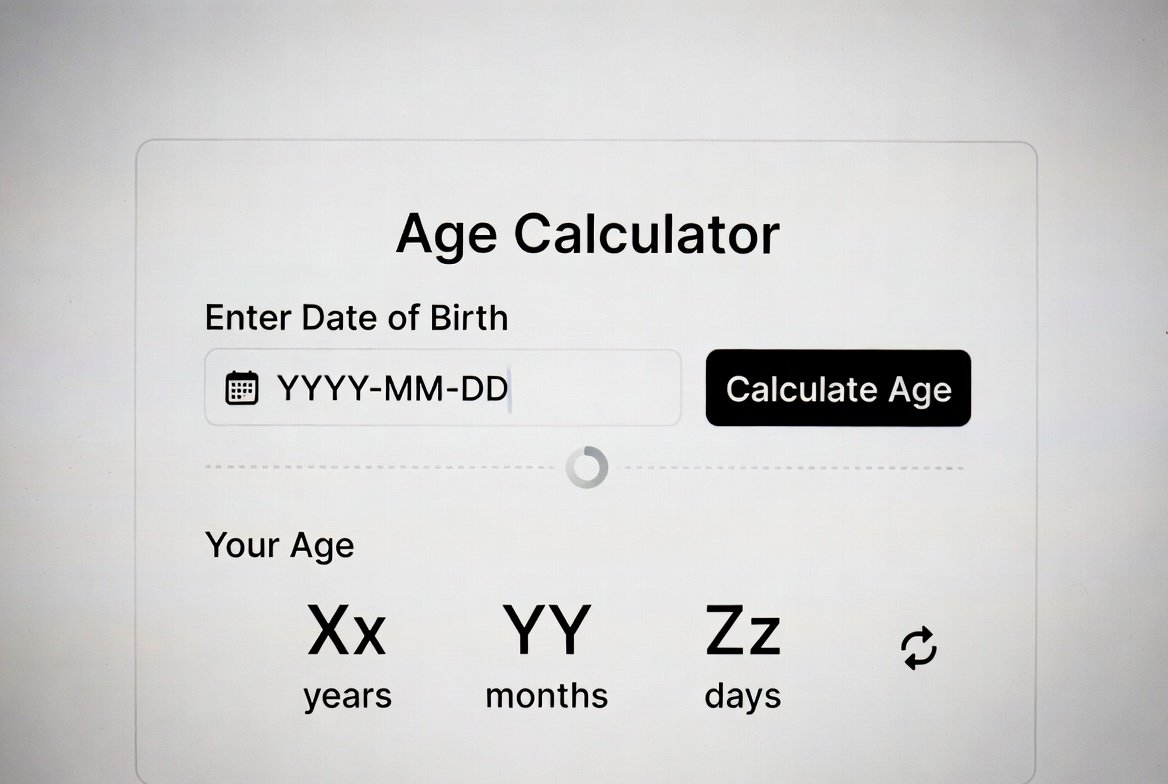
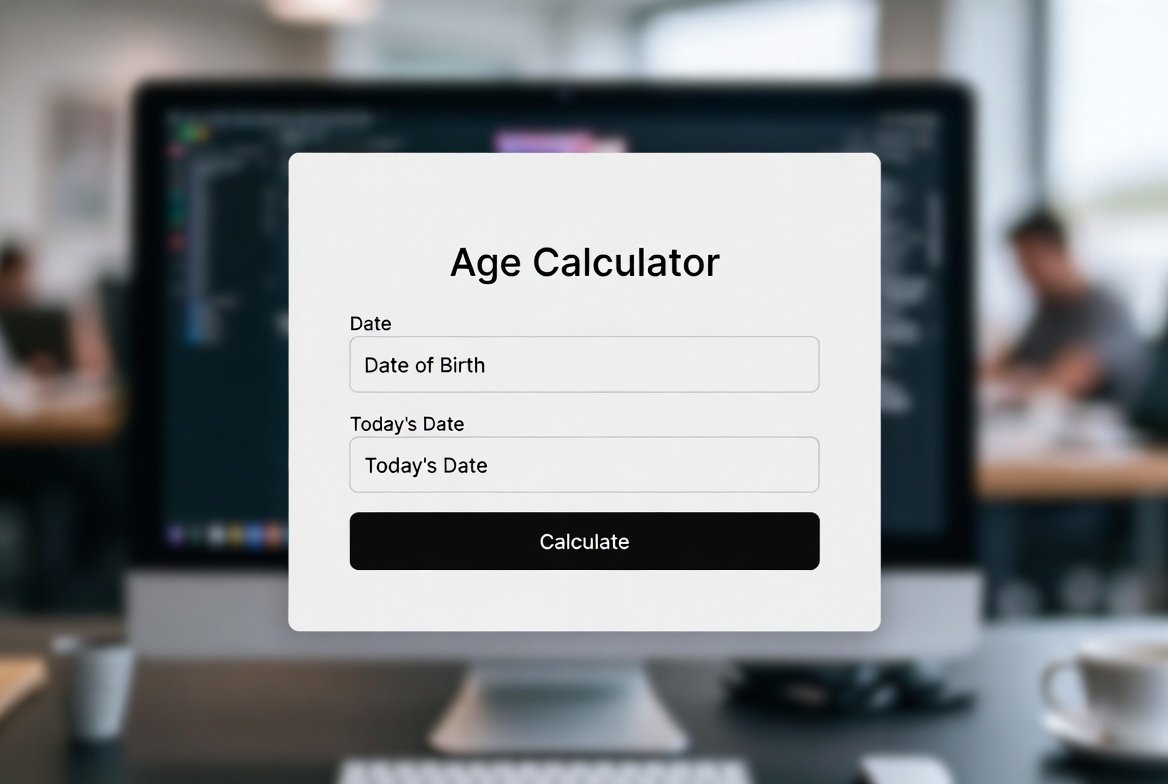
An age calculator is a simple tool that calculates your exact age based on your date of birth. Instead of estimating or counting on your fingers, the calculator performs the math instantly, displaying your age in years, months, weeks, days, or even hours and seconds.
It’s slightly different from a date of birth calculator, which works in reverse. With a date of birth calculator, you can input an age and find out the corresponding birth date. Both tools are closely related, but they answer different questions: one tells you “how old am I?” while the other answers “when was I born?”
Another variation is the chronological age calculator, which is often used in schools, healthcare, and sports programs. For example, pediatricians use it to track child development milestones, and teachers may use it to determine the correct grade placement.
For everyday people, though, the biggest benefit is convenience. Instead of miscounting or second-guessing yourself, an age calculator lets you calculate age quickly and accurately. Whether you’re checking eligibility for a job or simply curious about how many days you’ve lived, it saves time and avoids mistakes.
Birthday Calculators: More Than Just a Date
When you think of a birthday calculator, you might picture a tool that just reminds you of your birth date. But in reality, it can do much more. A birthday calculator can count down to your next birthday, highlight milestone ages, and even calculate how many days are left until you turn a certain age.
This becomes especially handy when planning big celebrations. For example, an 18th or 21st birthday often marks important legal milestones, while a 30th, 40th, or 50th birthday might be celebrated as a life achievement. A birthday calculator helps you prepare for those events by showing the exact time left, not just in years, but in days and weeks.
There’s also a cultural angle. In some countries, birthdays are celebrated using lunar calendars, while in others, “name days” are recognized instead. These variations can make people wonder, “How old are you really?” depending on the system.
Whether you’re organizing a party, planning travel for a loved one’s birthday, or simply curious, a birthday calculator adds a layer of precision and fun. It’s not just about knowing “how old” you are but also about celebrating the time you’ve lived in meaningful ways.
Why “How Old Am I?” It isn’t Always Straightforward
At first glance, the question “How old am I?” seems easy. But depending on when and where you were born, the answer can get complicated.
Take leap years, for example. Babies born on February 29 technically only see their “real” birthday once every four years. Some celebrate on February 28, others on March 1, and in some legal systems, the official age can differ depending on which day is recognized.
Cultural differences add another layer. In the Western system, you turn a year older on your birthday. But in traditional Chinese counting, babies are considered one year old at birth, and everyone’s age increases at the Lunar New Year. Until recently, Korea also followed a similar system, meaning someone could be “20” in one country but “18” in another at the exact same time.
Then there are legal milestones. In one country, you might be old enough to drive at 16, while in another, you need to be 18. Drinking ages, voting ages, and retirement ages also differ worldwide, so “what is my age?” has real consequences depending on where you live.
So, when someone asks “How old are you?” the answer isn’t always as clear as it seems. An accurate age calculator helps cut through the confusion.
Practical Uses of Age Calculators in Daily Life
For something as simple as figuring out “what is my age?”, the applications reach much further than most people expect. An age calculator can save time and prevent mistakes in areas that truly matter.
Legal needs come first. Whether you’re applying for a passport, renewing your driver’s license, or verifying eligibility for pensions or jobs, you often need to calculate age precisely. Governments and employers don’t leave room for error.
In the medical world, exact age can be even more critical. Pediatricians use a chronological age calculator to determine vaccination schedules, track child development milestones, and compare growth charts. At the other end of life, doctors consider a precise age when recommending screenings or treatments for older adults.
On the personal side, people use a date of birth calculator or birthday calculator for everything from fitness tracking to organizing milestone celebrations. Training apps, for example, often require an accurate age to set safe workout intensities.
A quick example: a parent takes their baby for a checkup, and the doctor needs the child’s exact age in months, not just “almost one.” An age calculator instantly provides that precision, avoiding guesswork.
In short, these tools fit into everyday life quietly but powerfully wherever age matters.
Conclusion
Age is more than “just years.” It can affect your rights, your health, and even how you celebrate important moments. That’s why relying on guesswork often leads to confusion.
An age calculator gives you reliable, instant results in seconds. Whether you’re curious about “how old am I?”, checking paperwork, or planning a milestone event, you’ll get the exact answer every time.
So the next time someone asks, “How old are you?” you won’t hesitate. You’ll know your precise age, not just in years, but down to the month, week, or even day if you want. It’s clarity made simple.
FAQs
- How can I calculate my exact age?
You can use an age calculator by entering your date of birth. It will instantly show your age in years, months, weeks, days, and sometimes even hours or seconds. - What’s the difference between an age calculator and a date of birth calculator?
An age calculator tells you how old you are today, while a date of birth calculator works backward; it uses your age to find the exact date you were born. - What is a chronological age calculator used for?
A chronological age calculator is often used in schools and healthcare. It helps teachers place children in the right grade or doctors track developmental milestones based on exact age. - Why do leap year birthdays make age confusing?
People born on February 29 only have a “real” birthday every four years. An age calculator accounts for leap years, giving you the exact number of years and days lived. - Can I use an age calculator for things other than birthdays?
Yes. You can calculate the time between two dates for anniversaries, work history, retirement planning, visa applications, or even just out of curiosity.