We often find ourselves in situations where knowing our exact age is more than just casual trivia. Filling out job application forms, applying for a visa, registering for sports events, or even visiting a doctor all require precise details about our age. While most of us think of age simply as the number of years since birth, the reality is that months, weeks, and even days can make a difference.
For example, a child may not be eligible for school admission if they are just a few days younger than the required cutoff. Similarly, a senior applying for retirement benefits might need to prove they have reached a specific age down to the exact day. These small differences matter more often than we realize.
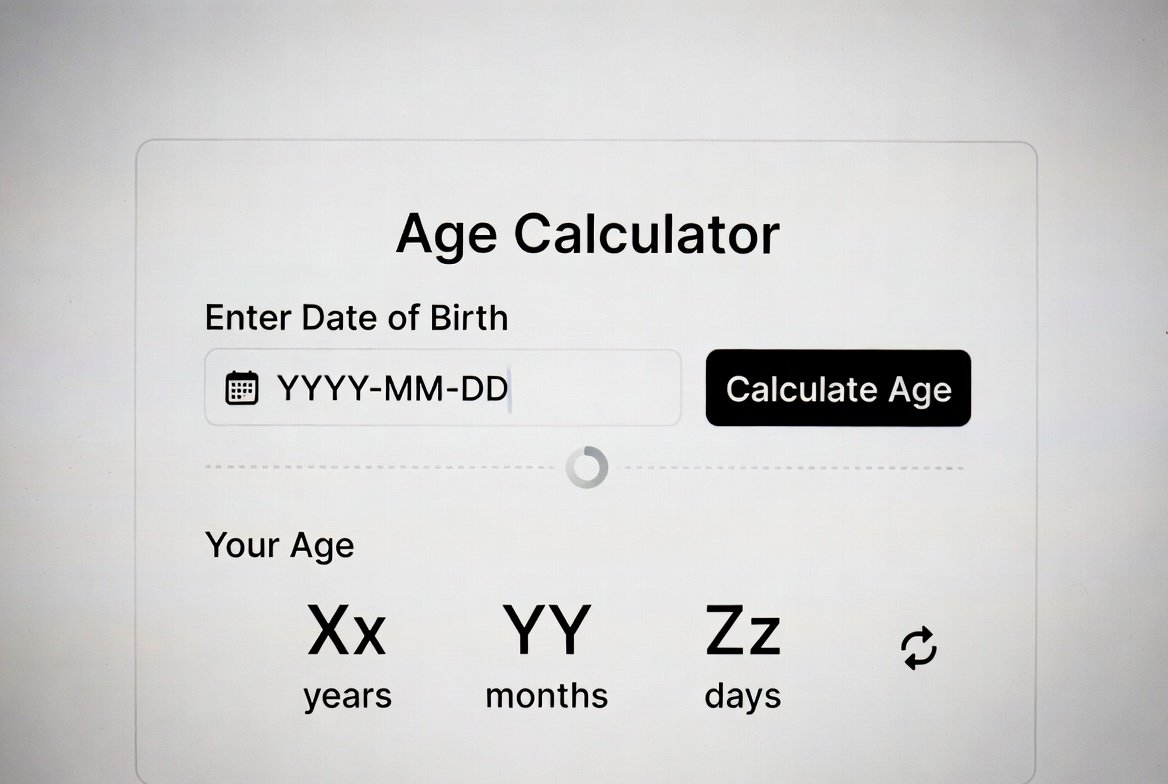
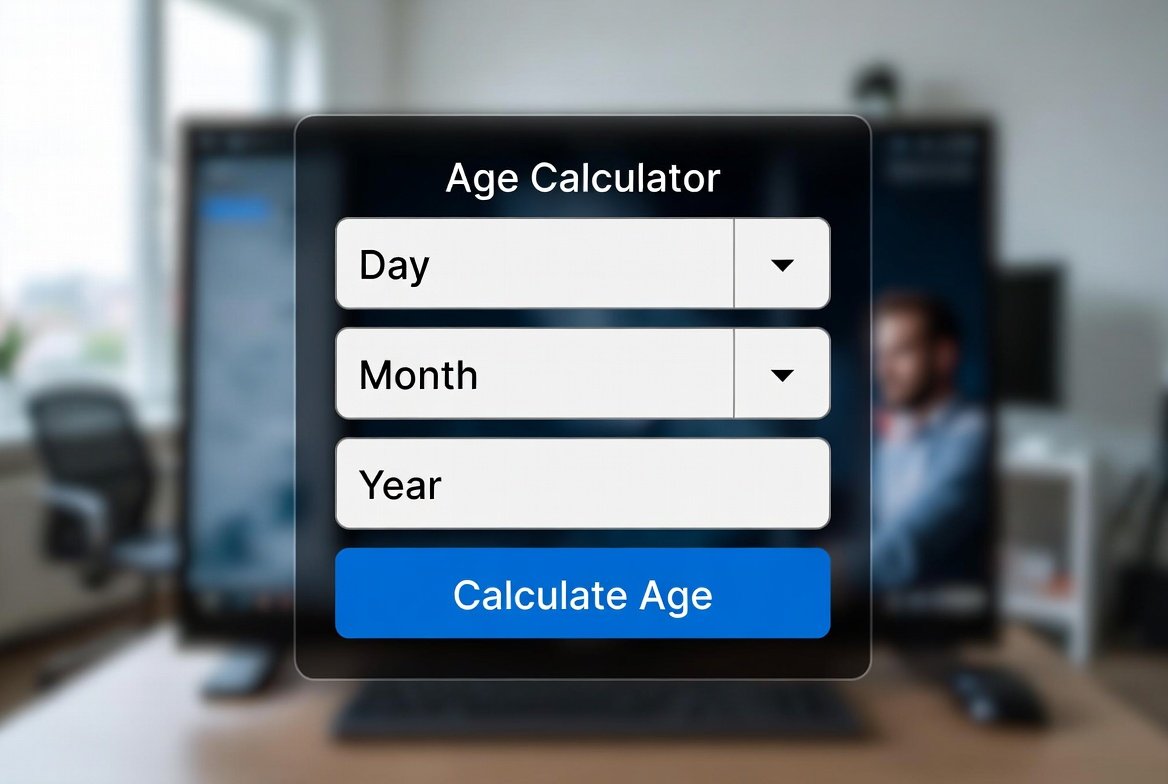
That’s where modern tools come in. An age calculator takes away the guesswork by instantly providing the exact number of years, months, and days lived. No mental math, no confusion, just quick, reliable answers to the question “What is my age?”. Whether you need to calculate age for legal, medical, or personal purposes, this tool ensures accuracy every time.
Table of Contents
- How an Age Calculator Works
- Birthday Calculators: Beyond Celebrations
- Chronological Age Calculator Explained
- Real-Life Uses: Why These Tools Matter
- Conclusion
- FAQs
How an Age Calculator Works
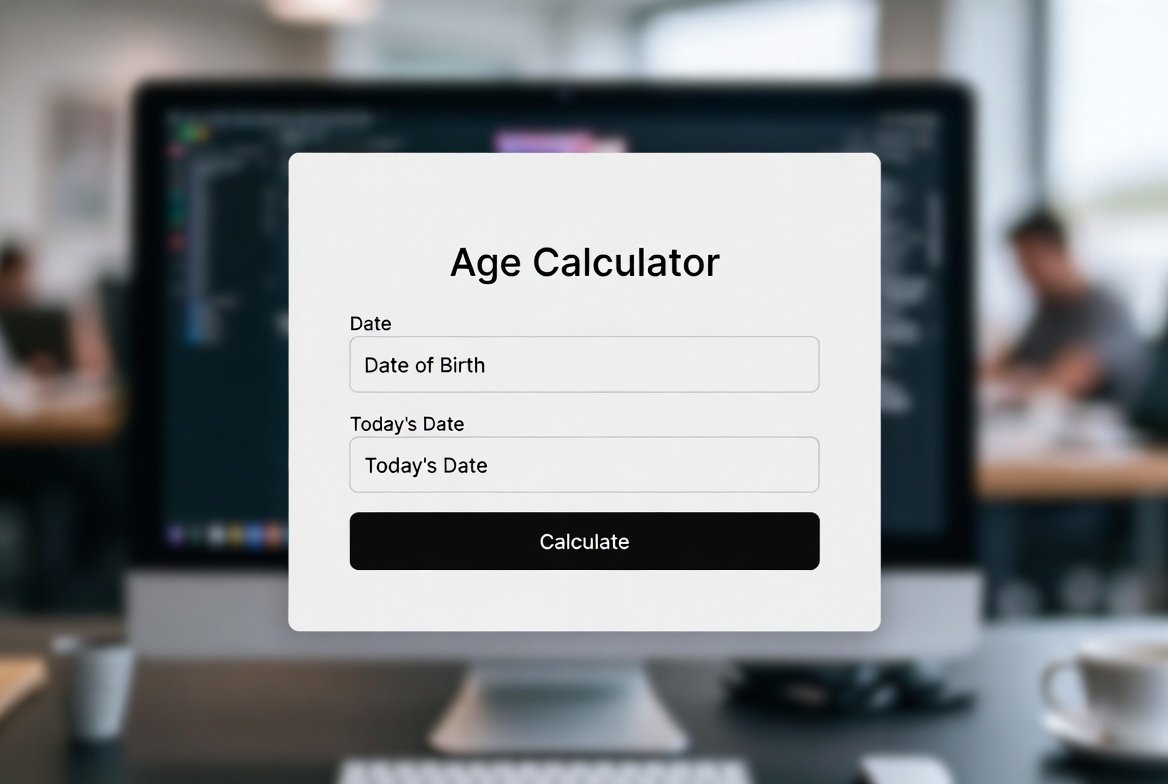
At its core, an age calculator is a tool designed to measure the precise time span between two dates. Most commonly, it works by taking your date of birth and comparing it to today’s date. The output isn’t limited to just years; it can also display months, weeks, days, and in some cases, even hours or seconds.
For example, if someone was born on February 29 during a leap year, calculating their exact age can be tricky. Some countries recognize their birthday on February 28 in non-leap years, while others move it to March 1. An age calculator handles this complexity instantly, ensuring there’s no confusion.
It’s also worth noting that an age calculator is not the same as a date of birth calculator. While the age calculator tells you how old you are right now, the date of birth calculator is often used the other way around, working backward to find a birthdate if you know the current age. Both serve useful but slightly different purposes.
In education and healthcare, the tool is sometimes referred to as a chronological age calculator, emphasizing the focus on exact, measurable time lived since birth. For anyone asking “How old am I?”, this tool is the simplest and most accurate way to find out.
Birthday Calculators: Beyond Celebrations
When most people think of a birthday calculator, they picture something that tells them how many days are left until their next birthday. While that’s certainly part of its purpose, the tool offers much more. It can help track milestones, plan ahead for major celebrations, and even count down to anniversaries or personal achievements.
Take the example of planning for a child’s 18th birthday. This milestone often marks eligibility for voting, driving, or entering university, depending on the country. A birthday calculator makes it easy to see exactly how long is left, down to the day. Similarly, someone approaching their 50th birthday might want to plan a big party or even align the date with travel or family gatherings; the calculator provides a reliable countdown.
Cultural traditions add another layer of interest. In parts of Europe, people celebrate “name days,” while in many Asian cultures, birthdays may follow lunar calendars instead of the Gregorian calendar. A birthday calculator can adapt to these variations, making it not just a practical tool but also one that adds cultural value.
In short, whether you’re answering the question “How old are you?” or simply wondering “How old will I be on my next milestone?”, a birthday calculator helps you stay prepared and adds a fun dimension to everyday life.
Chronological Age Calculator Explained
When people ask “What is my age?”, they’re usually referring to chronological age, the exact amount of time lived since birth, measured in years, months, and days. Unlike biological age, which reflects how old your body feels or functions, chronological age is precise and universally recognized in legal, medical, and educational contexts.
In education, a chronological age calculator is often used for school placement or standardized tests. For example, a child who is seven years and two months old may be placed differently than a child who is exactly seven years and ten months. Those few months can matter when evaluating readiness for reading, math, or sports eligibility.
Healthcare is another area where exact age is essential. Pediatricians track growth charts and vaccination schedules using chronological age, while in elderly care, doctors rely on it to qualify patients for certain screenings or treatments. Clinical trials also use precise age ranges to include or exclude participants.
Think of a seven-year-old being assessed for school readiness. The exact breakdown of years and months can determine whether they are placed in a higher or lower grade level. A chronological age calculator makes these decisions accurate and transparent.
Real-Life Uses: Why These Tools Matter
An age calculator may seem like a simple utility, but its applications go far beyond curiosity. In legal contexts, precision is non-negotiable. Governments rely on exact age for issuing identification documents, granting pensions, and processing visa applications. Being even a day short of the required age can make the difference between approval and rejection.
In medicine, knowing the exact age helps doctors tailor care. Vaccine schedules for infants and young children are carefully timed by weeks and months, while treatment recommendations for older adults often depend on their precise age bracket. Without accurate calculations, care could be mistimed.
On a personal level, age calculators make life easier in subtle ways. From tracking fitness goals by age milestones to planning anniversaries or simply indulging in historical curiosity, these tools give perspective. For example, Albert Einstein was 26 when he published the theory of relativity. An age calculator can quickly confirm facts like these, bridging history and everyday life.
So whether you’re asking “What is my age?” for paperwork, health, or just personal interest, having the ability to instantly calculate age adds both accuracy and convenience.
Conclusion
At first glance, age seems straightforward, but it’s more than just several years. Tools like an age calculator, birthday calculator, and chronological age calculator bring clarity by breaking down age into years, months, days, and even seconds. They make it easy to avoid errors in legal, medical, and personal situations.
So the next time someone asks, “How old are you?”, you won’t just estimate, you’ll know the exact answer. A date of birth calculator can give you precision in seconds, ensuring accuracy no matter the purpose.
FAQs
- How do I calculate my exact age from my birthday?
- You can enter your date of birth into an age calculator, which instantly shows your exact age in years, months, and days.
- What’s the difference between a birthday calculator and an age calculator?
- An age calculator tells you how old you are today, while a birthday calculator counts down to your next birthday or milestone celebration.
- What is chronological age vs. biological age?
- Chronological age is the exact time since birth, while biological age refers to how your body is aging based on lifestyle, genetics, and health.
- Can these tools handle leap year birthdays?
- Yes. Modern calculators account for leap years and adjust calculations for people born on February 29.
- Why do some countries calculate age differently?
- Cultural traditions vary. For instance, in traditional Korean age reckoning, people were considered one year old at birth.
- Is a date of birth calculator useful for official documents?
- Yes, it can help verify or backtrack a date of birth, but official records still require certified documents.