
Every day, thousands of people type into Google, “How many calories should I eat?” Whether it’s someone starting a new workout routine, a parent trying to lose a few pounds after years of neglecting self-care, or an athlete fine-tuning his diet, the question is universal. Calories are at the center of health conversations, yet they’re also the source of endless confusion.
The flood of fad diets and advice we receive from everyone is one of the causes. Juice cleanses, keto, low-carb, and intermittent fasting all promise results, but many leave people wondering if they’re eating the “right” amount. Calories are the cornerstone of energy balance, regardless of the noise. While eating too little can result in fatigue, muscle loss, and other health problems, overeating causes weight gain.
A calorie calculator comes in quite handy in this situation. You can receive customized numbers based on your body and lifestyle rather than depending on a one-size-fits-all strategy or guesswork. Whether your goal is fat loss or simply maintaining your current weight, a weight loss calculator or calorie calculator for weight loss makes the process more straightforward and far less overwhelming.
Table of Contents
What Is a Calorie Calculator?
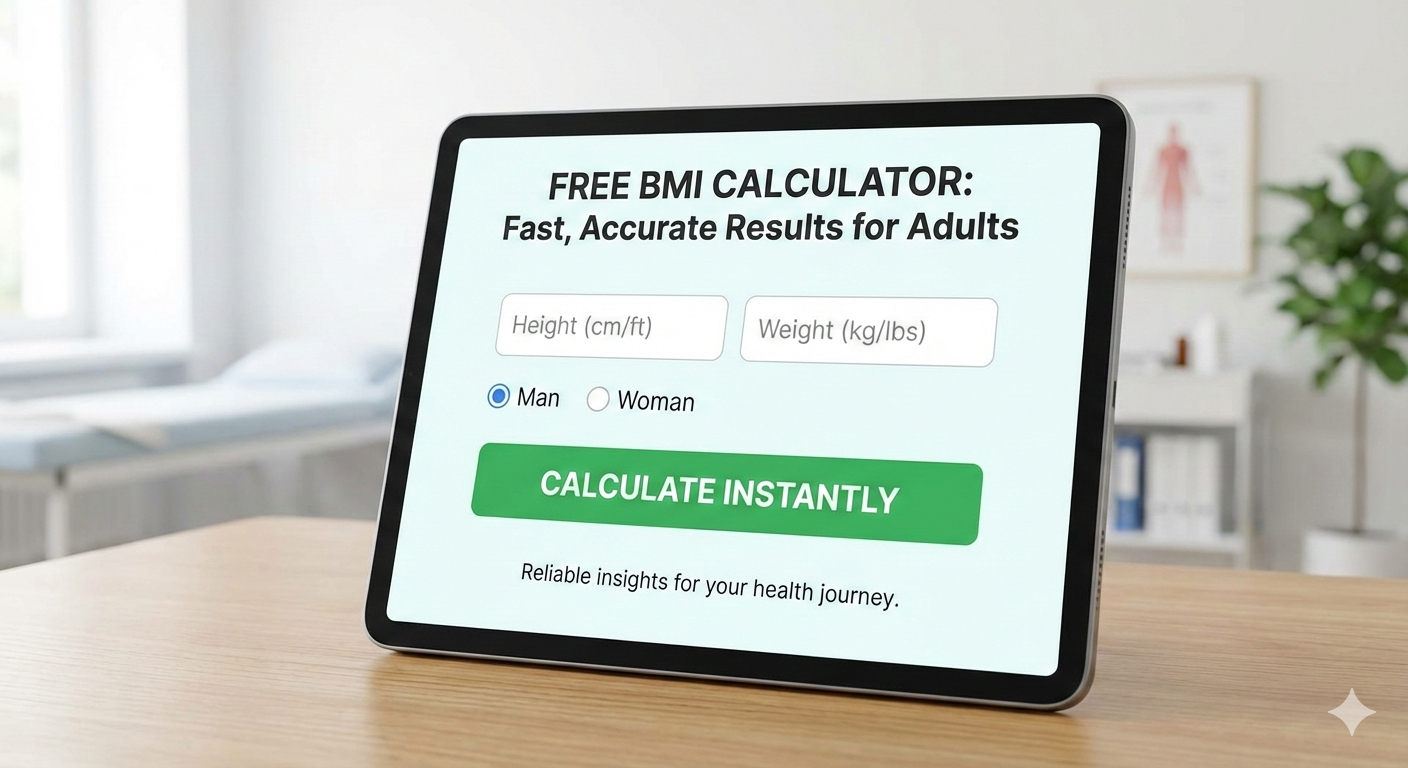
At its core, a calorie calculator estimates how many calories your body needs every day to function. It takes into account essential factors like your age, weight, height, gender, and activity level. In other words, it personalizes energy needs based on who you are, not on a generic chart in a magazine.
Here’s how it works: your body burns calories simply by existing (this is called your basal metabolic rate). Add to that your activity level, whether you’re mostly sedentary or hitting the gym five days a week, and you get your total daily calorie needs. A calorie intake calculator does this math for you in seconds.
Think about Sarah and John. Although they both weigh 70 kg, Sarah works at a desk, while John has an active job that requires him to be on his feet all day. John’s body needs more calories every day to fuel his activity, even though they weighs the same. These distinctions are emphasized by a calorie calculator, which demonstrates why customized figures are more trustworthy than arbitrary dietary guidelines.
Understanding Calorie Deficit: The Key to Weight Loss
When it comes to losing fat, the principle is simple: you must burn more calories than you consume. This is what’s known as a calorie deficit. If your body needs 2,500 calories a day but you only consume 2,000, you create a 500-calorie deficit. Over time, your body compensates by using stored fat for energy, leading to gradual weight loss.
This process is why calorie calculators are so powerful; they show you exactly how big your deficit needs to be without dipping into dangerous extremes. A calorie deficit calculator takes your daily energy needs and subtracts a safe amount, usually around 500–750 calories, to encourage steady weight loss.
For example, cutting 500 calories a day can lead to about half a kilo (one pound) of fat loss per week, a pace most doctors and nutritionists consider sustainable. On the other hand, slashing too much, say, eating only 1,000 calories a day when you need 2,400, can backfire. It slows metabolism, increases hunger, and puts stress on your body.
That’s why a calorie calculator to lose weight is not just about numbers; it’s about safety and sustainability.
Weight Loss Calculators in Action
A weight loss calculator turns theory into practice. Instead of telling you vaguely to “eat less,” it calculates exactly how much less you should eat. By entering details like your height, weight, age, and activity level, you get a daily calorie target designed for gradual, healthy weight loss.
Let’s say Maria, a 35-year-old woman, inputs her details. The calculator shows she needs 2,200 calories to maintain her current weight. If her goal is to lose half a kilo per week, she should consume 1,700–1,750 calories daily. That’s a clear, actionable number she can follow without the guesswork.
The benefits go beyond precision. Using a calorie calculator for weight loss helps avoid extreme diets that cut too quickly and rebound later. Instead, it promotes balance: enough energy to fuel workouts, preserve muscle, and keep energy levels steady, while still creating the deficit needed for fat loss.
In this way, the calculator acts as a personalized coach, giving Maria and anyone else a roadmap to results that last.
Maintenance Calories: Eating Without Gaining or Losing
Not everyone wants to lose or gain weight. Many people simply want to stay where they are without the stress of fluctuating numbers on the scale. That’s where maintenance calories come in. This is the point where the energy you consume equals the energy you burn, and your weight stays stable.
Think of it as balance. If you’re in a deficit, you lose. If you’re in a surplus, you gain. But when you’re at maintenance, you hold steady, perfect for people who are happy with their weight or those transitioning between cutting and bulking phases.
Consider Emma. She doesn’t want to continue cutting calories after she’s achieved her weight loss goal. She finds that her body requires roughly 2,000 calories per day to sustain her new weight by using a maintenance calorie calculator. She uses that figure as a guide to help her stay on course and avoid putting on the weight she has worked so hard to lose.
A maintenance calories calculator is a vital tool for anyone who prefers stability to change. It’s the sweet spot where you can enjoy life without worrying about regressing.
Beyond Numbers: Making Calorie Calculators Work for You
A calories calculator can give you the perfect daily target, but real progress depends on how you use that number. Consistency is the key, hitting your goal most days will make a far bigger difference than obsessing over perfection. Pairing your calorie target with a calorie counter or food-tracking app can help you stay accountable, revealing patterns in your eating habits that you may not notice otherwise.
But calories alone don’t tell the whole story. A steady diet of junk food that “fits your calories” won’t give you the same results as a balanced plan rich in protein, fiber, and healthy fats. These nutrients support metabolism, energy, and overall well-being, making it easier to stick with your goals.
The real power of a calculator comes when you combine numbers with mindful eating and periodic adjustments. Over time, this approach transforms a simple tool into a lasting strategy for health and weight management.
Conclusion
With so many diets competing for attention, it’s easy to feel lost about what and how much to eat. A calorie calculator cuts through that noise, providing clarity in the form of a daily number tailored to your body and lifestyle. Whether you’re using a weight loss calculator to drop fat, a calorie deficit calculator to set the right reduction, or a maintenance calorie calculator to keep steady, the principle is the same: accurate guidance beats guesswork every time.
Instead of relying on trends or restrictive plans, you can approach nutrition with confidence. Whatever your goal, losing weight, maintaining balance, or simply improving overall health, a calculator offers a simple, practical way to turn numbers into meaningful results.
FAQs
How accurate are calorie calculators?
While they’re merely estimates, they’re very reliable when based on age, weight, height, gender, and activity level.
What’s the difference between a calorie calculator and a weight loss calculator?
A calorie calculator shows how many calories you need to maintain your weight, while a weight loss calculator applies a safe deficit to create a fat-loss plan.
Can a calorie deficit calculator tell me exactly how fast I’ll lose weight?
It gives a projection, usually based on a 500-750 calorie deficit per day. Actual results depend on factors like metabolism, sleep, and activity levels.
Do men and women get different results?
Yes. Because men and women often have different body compositions and energy needs, their calorie requirements, even at the same weight, will vary.
How do I know my maintenance calories?
Tracking your weight over 2–3 weeks can confirm the number.
Should I recalculate my calories after losing weight?
Absolutely. As your body changes, so does your energy requirement.