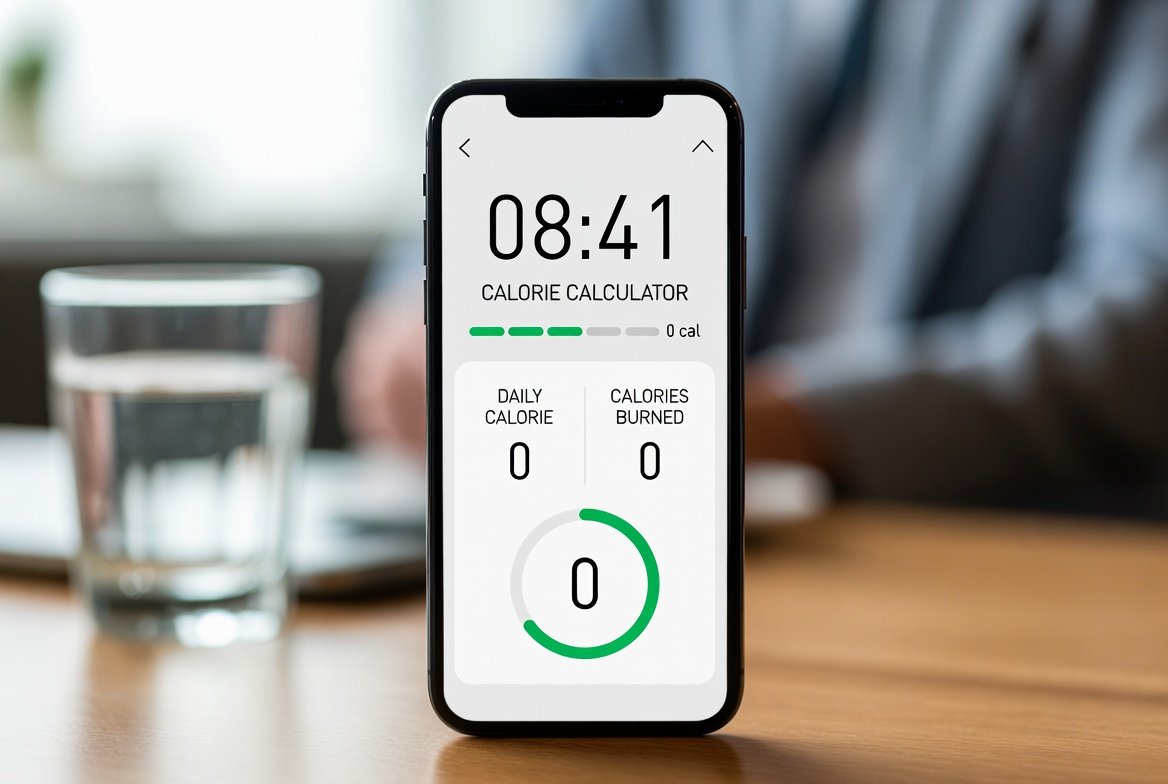
One of the most common questions people ask themselves when trying to get healthier is tricky but straightforward: “How many calories should I eat every day?” Eat too little, and your body slows down, energy dips, and workouts suffer. Overeating can lead you to move away from your goals, resulting in weight gain.
The problem is made worse by diet culture. Fad diets shout different rules: cut carbs, skip fat, fast all day, or eat only at certain hours. With all this conflicting advice, it’s no wonder people feel stuck. At the core of it all, however, lies one unshakable principle: energy balance. Calories are the measure of that balance.
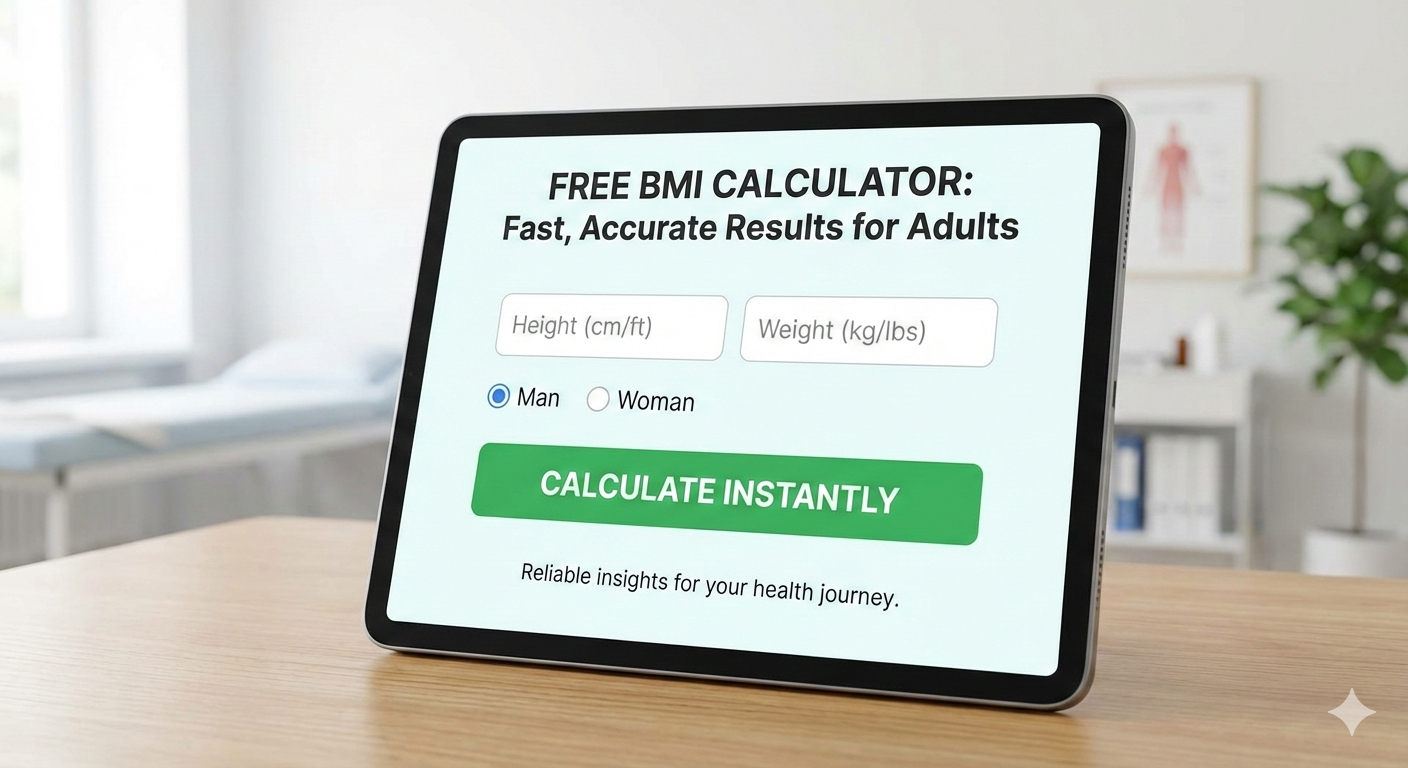
This is where a calorie calculator comes in. Whether your goal is to create a calorie calculator to lose weight or use a weight loss calorie calculator to fine-tune your plan, these tools cut through the noise. They provide precise, personalized numbers that you can actually use.
Table of Contents
- What Is a Calorie Intake Calculator?
- The Power of a Calorie Deficit
- Transitioning to Maintenance Calories
- Practical Benefits of Knowing Your Numbers
- Conclusion
- FAQs
What Is a Calorie Intake Calculator?
At its heart, a calorie intake calculator is a smart tool that estimates how much energy, measured in calories, your body needs in a day. Instead of relying on vague advice, the calculator works with complex data: your age, weight, height, gender, and activity level. Combining these details gives you a personalized number.
This personalization matters because no two people burn energy the same way. Consider two friends, both weighing 75 kilograms. One spends eight hours at a desk with little movement, while the other works, lifting and walking all day. Even though their weight is the same, their daily calorie needs are vastly different. A calculator captures those differences instantly.
That’s why relying on charts, generic diet plans, or guesswork rarely works. A weight loss calculator or intake tool ensures your plan matches your lifestyle. When you know how many calories your body actually needs, you can start shaping meals and routines around a number that makes sense, instead of stumbling in the dark.
The Power of a Calorie Deficit
If your goal is weight loss, the concept of a calorie deficit is the key that unlocks progress. Simply put, a deficit happens when you consume fewer calories than your body burns. In response, your body taps into stored energy, mainly fat, to make up the difference. Over time, this leads to fat loss.
Let’s look at an example. Imagine your body requires 2,400 calories each day to stay at the same weight. If you consistently eat around 1,900 calories, you’ve created a 500-calorie deficit. Multiply that over a week, and you’ve built a 3,500-calorie shortfall, roughly the equivalent of losing half a kilogram of body fat.
The challenge, however, is balance. Too big a deficit can backfire, leaving you exhausted, hungry, and slowing your metabolism. That’s why a calorie calculator to lose weight is so helpful; it sets realistic, safe targets that help you lose weight without wrecking your health. With the guidance of a weight loss calorie calculator, you can avoid guesswork and find the sweet spot where progress feels steady and sustainable.
Transitioning to Maintenance Calories
Weight loss is only half the journey. Once you’ve reached your goal, the next step is just as important: knowing your maintenance calories. This is the number of calories you need to eat to maintain your weight, with no gain or loss.
Maintenance calories matter because they prevent the dreaded rebound. Many people lose weight through strict dieting, only to watch it creep back because they never learned how to maintain it. Using a maintenance calories calculator bridges that gap. It recalculates your needs based on your new weight and activity level, providing a realistic daily target to help you maintain your progress.
Imagine someone drops 10 kilograms through a steady calorie deficit. Their old calorie needs no longer apply. By shifting to a calorie maintenance calculator, they get a fresh number that reflects their lighter body and current lifestyle. From here, they can choose whether to maintain, move into a muscle-building phase, or simply enjoy balanced eating without fear of undoing their hard work.
Practical Benefits of Knowing Your Numbers
One of the most significant advantages of using a calorie calculator is the way it removes uncertainty. No more guessing whether you’re eating too much or too little, your daily target becomes clear. That single number can be a game-changer.
With a calorie intake calculator, you can align your meals and snacks with your goals, whether that’s trimming fat, maintaining your current weight, or even fueling muscle growth. Instead of chasing quick fixes, you’re working with a sustainable plan built on real numbers.
The benefits also show up in daily life. Planning meals and grocery lists becomes simpler. Eating out or enjoying a family dinner no longer feels like a gamble; you know how to balance your choices. A maintenance calorie calculator ensures that once you’ve hit your goal, you can stabilize your results without fear of backsliding. It’s practical, empowering, and adaptable to real-world living.
Conclusion
In the end, calorie calculators simplify what often feels like a confusing journey. If you want to lose weight, a weight loss calorie calculator helps you create a safe deficit that actually works. Once you reach your goal, a calorie maintenance calculator helps you lock in your progress by showing you how much to eat for stability.
The real power lies in balance and consistency. Instead of chasing diets or relying on guesswork, you can make informed decisions day by day. A calculator doesn’t just give you a number; it gives you clarity and control. And with that clarity, long-term success becomes much more achievable.
FAQs
- How do I find my maintenance calories? You can use a maintenance calories calculator that considers your weight, age, height, gender, and activity level to estimate the number of calories you need to stay at your current weight.
- What’s the difference between a calorie deficit and maintenance? A calorie deficit means eating fewer calories than you burn, which leads to weight loss. Maintenance means eating just enough to keep your weight stable.
- Should I switch calculators after losing weight? Yes. Once your weight changes significantly, your calorie needs shift too. Using an updated calorie intake calculator ensures accuracy.
- Can a weight loss calorie calculator guarantee results? No calculator can guarantee exact results, but it provides a strong, science-based estimate. Your results also depend on consistency, activity levels, and metabolism.
- Do calorie intake calculators account for exercise?Most calculators include an “activity level” factor, which accounts for exercise. The more active you are, the higher your daily calorie needs.
- How often should I recalculate my daily calorie needs?It’s a good idea to recalculate every few months, or whenever your weight or activity level changes noticeably.