Picture this: you’re rushing to catch a bus that leaves in half an hour, setting a cake timer for exactly 30 minutes, or reminding yourself to get back to work after a short break. In all these moments, thirty minutes feels like a small slice of time, yet it can completely shape the outcome of your day.
But here’s the challenge: figuring out what time it will be in 30 minutes isn’t always as straightforward as it sounds. Our brains naturally work with base-10 math, but time is built around a base-60 system for minutes and a base-24 system for hours. That’s why mental math with time can quickly become confusing, especially when crossing an hour mark, flipping from AM to PM, or even rolling over to the next day at midnight.
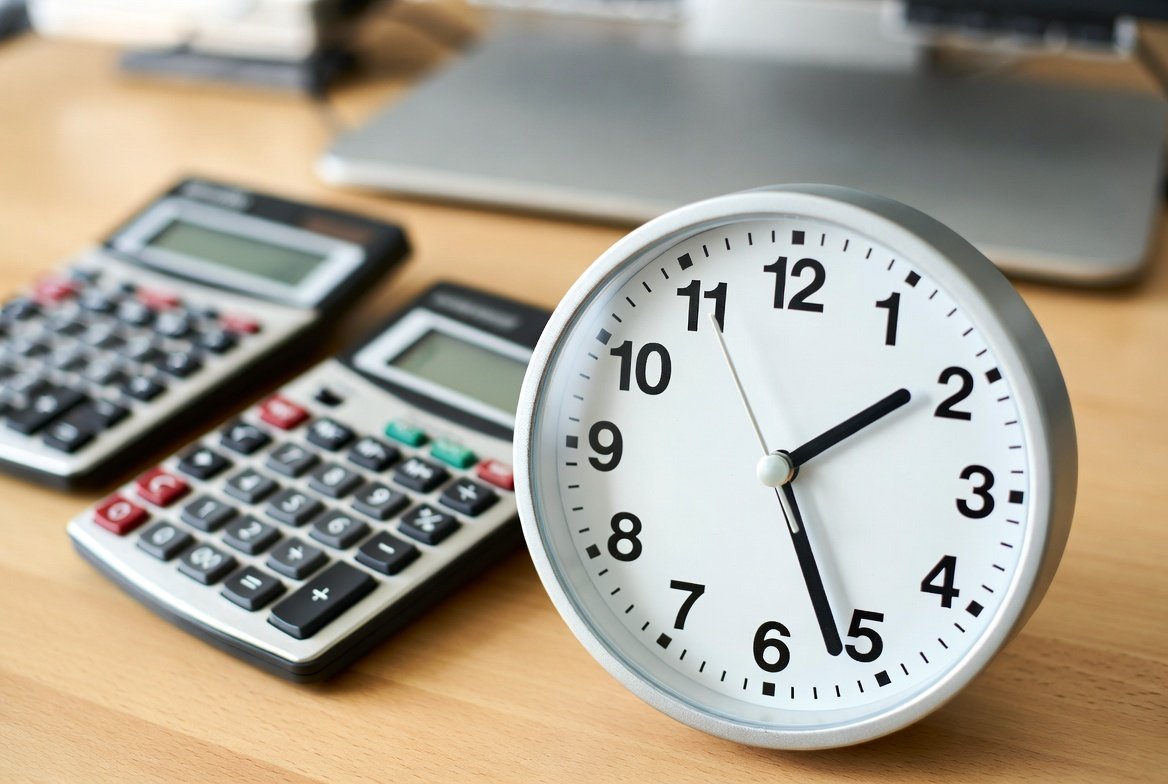
This is where digital tools can be beneficial. A clock calculator, minute calculator, or simply a time calculator takes the guesswork out of adding or subtracting time. Whether you’re asking “what time will it be in 30 minutes?” or need to plan something more complex, these tools provide quick, accurate answers in seconds.
Understanding How Time Works
On the surface, adding minutes to the clock seems simple: just tack on the number and you’re done. But time doesn’t follow the same math rules as dollars or kilograms. Instead of rolling over after 100 minutes, roll over after 60. That’s where the confusion sets in.
Let’s break it down. Imagine it’s 11:45 PM. You ask yourself, “What time will it be in 30 minutes?” Many people instinctively think: 11:45 + 30 = 12:75. But there is no such thing as 75 minutes past the hour. Instead, the clock resets after 60, and you move into the next hour. In this example, the correct answer is 12:15 AM, which also happens to roll over into the next day.
Similar problems arise when crossing AM and PM or managing 24-hour formats. A quick evening calculation can shift you into an entirely new calendar day without you realizing it.
This is why tools like a time calculator are so helpful. With a minute calculator or time calculator, you can add or subtract exact time intervals without worrying about conversions or mistakes. Instead of second-guessing, you get an instant, precise answer, no mental juggling required.
What Is a Clock Calculator?
A clock calculator is a digital tool designed to perform calculations that traditional clocks never made easy. At its core, it helps you calculate the time after adding or subtracting hours and minutes.
For example, let’s say you have a meeting at 2:40 PM, and you know it will last 30 minutes. Instead of counting by hand, 40 + 30 = 70, then converting 70 minutes into 1 hour and 10 minutes, you simply plug the numbers into a clock calculator. The result? 3:10 PM, ready at a glance.
These calculators are convenient when juggling multiple schedules. Whether you’re working out how long a break should last, managing overlapping flights, or scheduling sports practice, the calculator ensures accuracy without brain strain.
Another advantage of a clock calculator is its ability to handle different formats. Some tools can instantly switch between 12-hour AM/PM time and 24-hour military time, making them valid for travel or professional scheduling.
So, the next time you wonder, “What time will it be in 30 minutes?” you won’t need to do the arithmetic yourself. The clock calculator delivers the exact result, saving time and avoiding errors.
The Role of Minute Calculators
While clock calculators focus on full times of day, minute calculators break things down to their smallest everyday unit: minutes. Why is this important? Because so much of our daily planning happens at the minute level.
Consider how many tasks are measured in this way: studying in 25-minute focus blocks, setting a 90-minute movie timer, or planning a workout session that runs exactly 45 minutes. Manually converting those minutes into hours can get confusing. For example, if your flight is in 250 minutes, how many hours is that? Doing the math in your head isn’t always easy, especially under stress. A minute calculator does it instantly: 4 hours and 10 minutes.
Minute calculators also make it easier to understand the bigger picture of time. Converting minutes into hours and days allows you to see how much of your week or month is spent on specific activities. It’s a small but powerful way of understanding your schedule.
Beyond practical tasks, these tools are also helpful for students, athletes, and even gamers who need to manage time blocks precisely. For instance, a gamer setting up a 150-minute practice session can know exactly when to stop without fumbling with conversions.
Everyday Scenarios: How These Tools Save Time
Time calculators may sound like technical tools, but in reality, they show up in some of the most ordinary parts of life. Take cooking, for example. A recipe might say, “Bake for 30 minutes.” If you put the dish in the oven at 6:20 PM, you shouldn’t have to pause and mentally calculate the end time. A quick entry into a time calculator instantly tells you the exact finish: 6:50 PM: no second-guessing, no burnt dinners.
The same applies to transport. If your bus leaves in 30 minutes, or your train journey lasts 1 hour 45 minutes, a calculator removes the stress of figuring out “what time will it be in 30 minutes?” or when exactly you’ll arrive. Commuters, travelers, and students alike benefit from the accuracy of calculator time tools.
At work or during study sessions, minutes often matter even more. Setting breaks, deadlines, or focus intervals becomes effortless when you use a time calculator minutes tool. Instead of worrying about whether you’ll overshoot a meeting or end up late, you know exactly when to resume.
Even family life benefits. Parents can answer children’s constant questions like, “What time will it be in 30 minutes?” without hesitation. These small yet meaningful moments highlight how versatile and practical time calculators are across personal, professional, and leisure activities.
Conclusion
Time calculations shouldn’t be stressful. Yet the quirks of the 60-minute clock system often make simple additions and subtractions more confusing than they should be. Luckily, tools like clock calculators and minute calculators simplify the process, giving you precise answers in seconds.
So, the next time you catch yourself wondering, “What time will it be in 30 minutes?”, let a time calculator minutes tool do the heavy lifting. It’s faster, easier, and far more reliable than juggling numbers in your head.
FAQs
- How do I calculate what time it will be in 30 minutes?
You can do it manually by adding 30 minutes to the current time, but a time calculator gives you the exact answer instantly.
- What’s the difference between a clock calculator and a minute calculator?
A clock calculator works with full times of day (like 3:20 PM), while a minute calculator focuses on converting or managing minutes into hours and beyond.
- Can these tools also subtract time?
Yes, most of the time, calculators allow both addition and time subtraction, so you can find start or end times easily.
- Will a time calculator work across midnight?
Absolutely. If you add 30 minutes to 11:45 PM, the tool will correctly display 12:15 AM on the next day.
- Why is calculating time manually tricky?
Because time is based on 60 minutes per hour and 24 hours per day, not base-10 math, that’s why carrying over hours or minutes often gets confusing.
- Can I use a time calculator for longer durations, like days or weeks?
Yes, advanced calculators handle everything from minutes to weeks, helping with schedules, projects, or even vacation planning.